Alberta road signs and their meanings
All the road signs in the Driver’s Guide, grouped the way the guide groups them, each with its picture and what it means. To learn what a sign’s shape and colour tell you, read Alberta road signs by shape and colour.
Checked against the Driver’s Guide (Spring 2026) on .
The short version
- Unless a sign says otherwise: 100 km/h on a provincial highway outside an urban area, 80 km/h on a provincial highway inside a city and on other roads outside an urban area, and 50 km/h within an urban area.p. 27
- A speed limit is the most you may drive when conditions are ideal. Any speed that is unsafe for the conditions is illegal.p. 27
- Lane signs show the direction you must travel in that lane.p. 28
- Warning signs give advance notice of what’s ahead: an action you’ll need to take, or a hazard on or near the road.p. 32
Stop, yield and direction signs
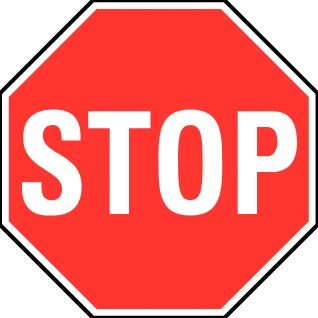 Stop: stop completely; go only when it’s safep. 26
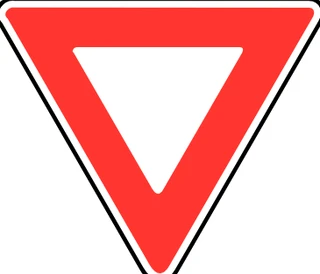 Yield: to traffic not facing the sign, and to pedestriansp. 26
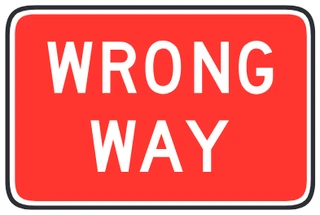 Wrong way: traffic is coming at youp. 26
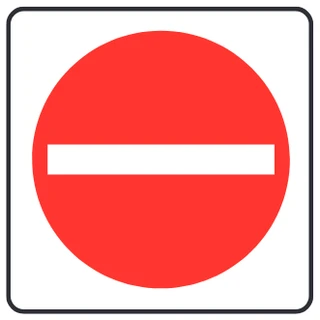 Do not enterp. 26
 Railway crossingp. 26
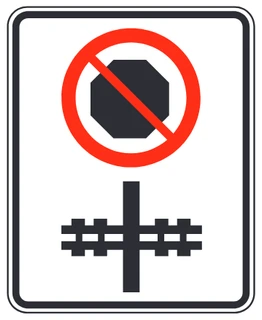 Do not stop on tracksp. 26
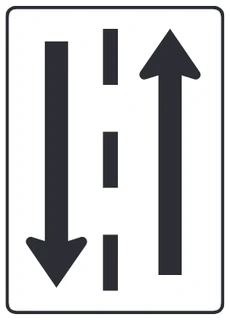 Two-way trafficp. 27
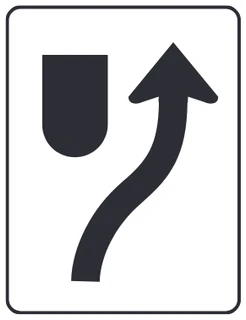 Divider ahead: keep rightp. 27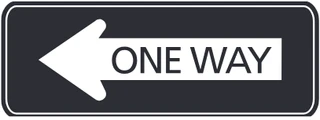
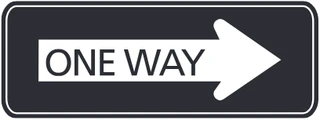 Go in the direction of the arrow onlyp. 27
Speed limit signs
Speed limits are in kilometres per hour (km/h). A limit isn’t the speed you should always drive: it’s the most you may drive when conditions are ideal, and any speed that is unsafe for the conditions is illegal.p. 27
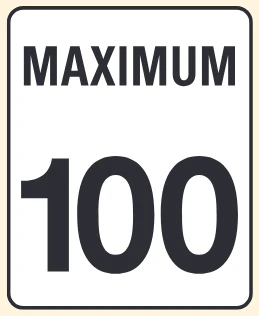 100 km/h is the limit on a provincial highway outside an urban area, unless otherwise posted.p. 27
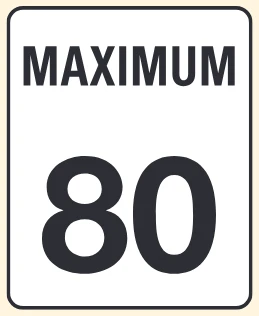 80 km/h is the limit on a provincial highway inside a city’s limits, and on a road outside an urban area, unless otherwise posted.p. 27
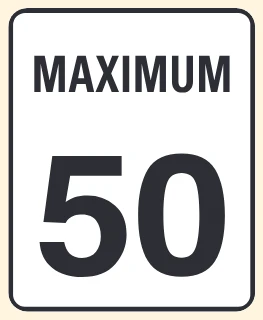 50 km/h is the limit on a road within an urban area, unless otherwise posted.p. 27
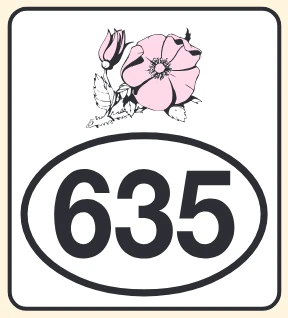 A provincial highway has a highway route marker with a single-, two- or three-digit number. A local road usually has no route marker, but may have a name, such as a township road (TWP RD 52) or a range road (RGE RD 252).p. 27
Towns and cities may set different limits by bylaw, so know the local rules and watch for posted limits.p. 27
Lane signs
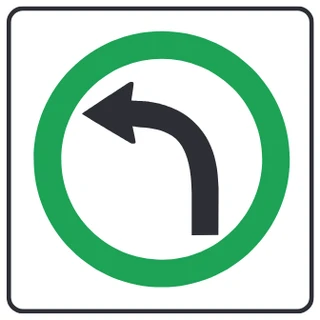
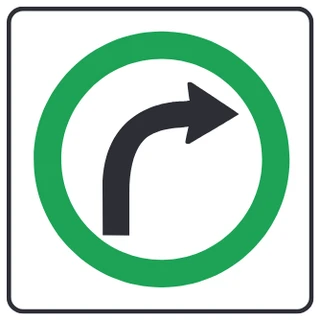
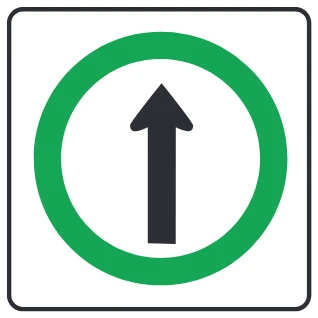
The arrows or words on a lane sign show the direction(s) you must travel in that lane.p. 28
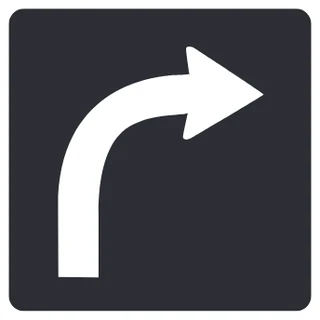 Right turnp. 28
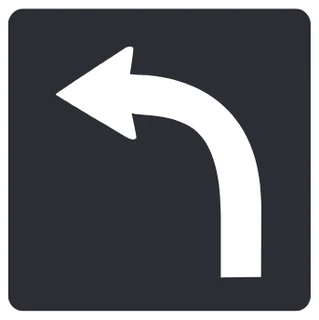 Left turnp. 28
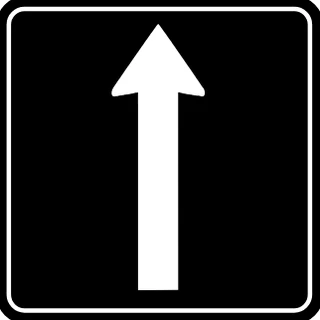 Straight onlyp. 28
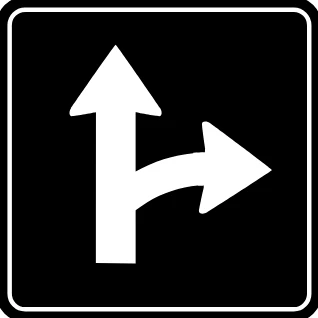 Straight or right turnp. 28
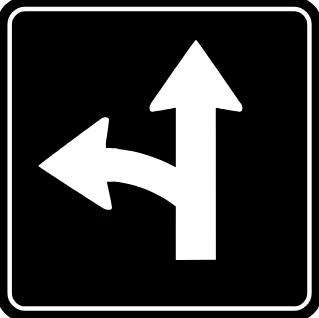 Straight or left turnp. 28
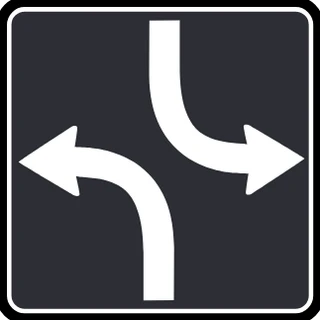 Left turn lane controlp. 28
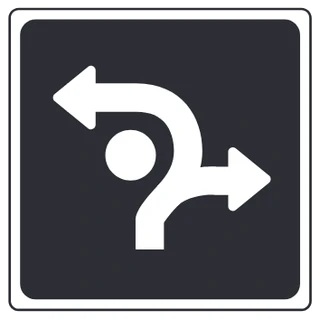 Single lane roundaboutp. 28
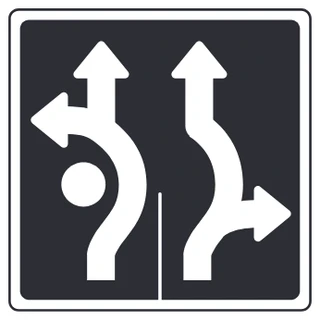 Roundabout with dual lanesp. 28
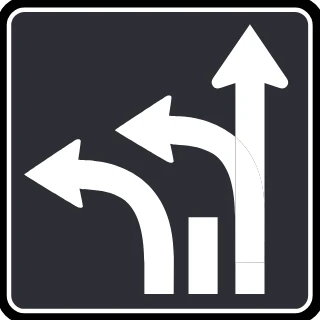
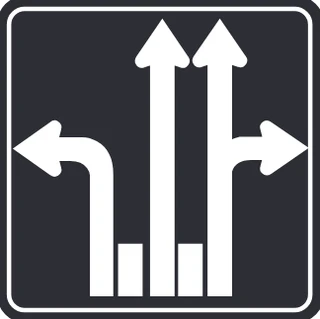 Left lane turn left, centre lane straight, right lane straight or turn rightp. 28
At some intersections more than one vehicle going the same way may turn at the same time. Keep your lane position during and after the turn.p. 28
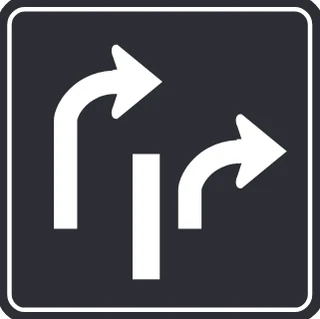 Dual right turnp. 28
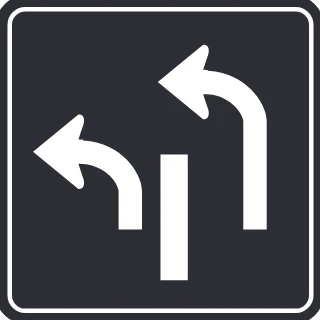 Dual left turnp. 28
 Left lane turn left, right lane straight or turn leftp. 28
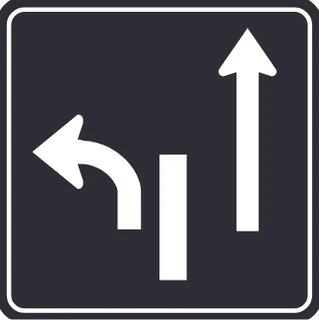 Left lane turn left, right lane straightp. 28
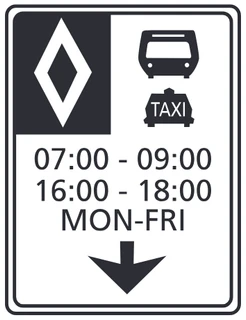
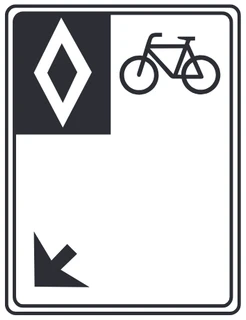
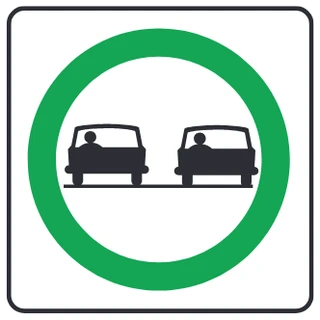
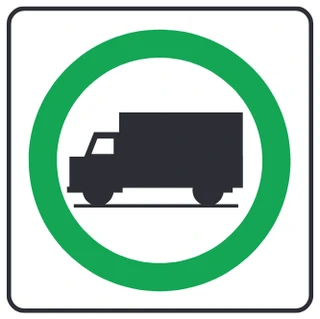
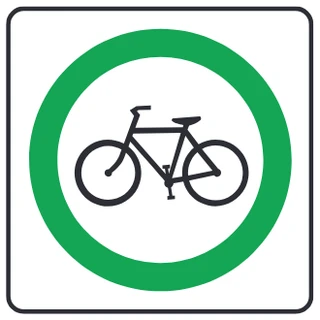
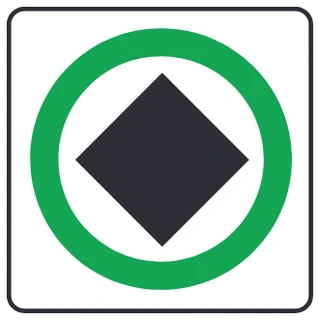
Reserved lanes are for certain vehicles, such as buses, taxis and bicycles: the symbol on the sign shows which. A lane reserved only some of the time shows the hours and days.p. 28
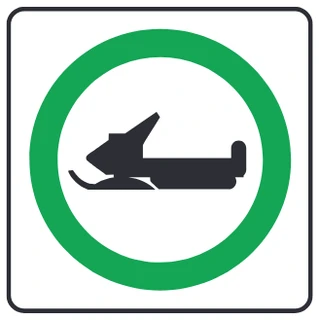
Permitted: green circle
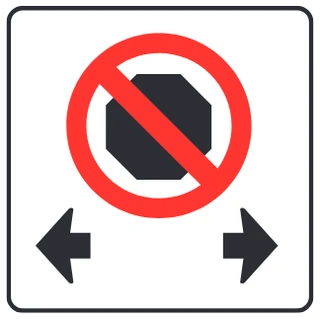
Not permitted: red circle and slash
The action inside the red circle is not permitted.p. 29
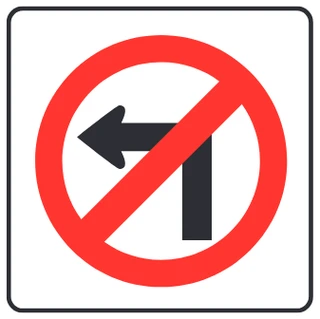 No left turnp. 29
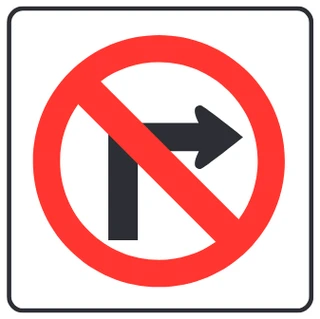 No right turnp. 29
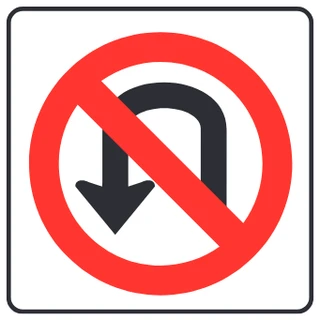 No U-turnp. 29
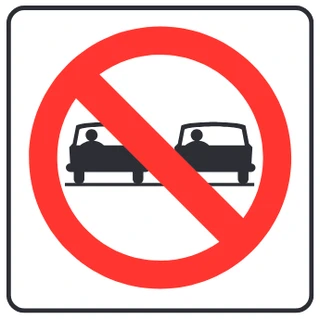 Do not passp. 29
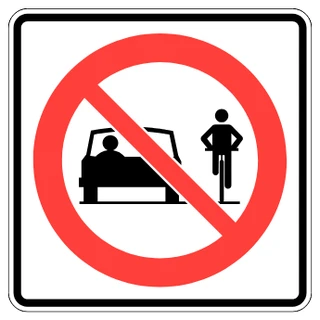 Do not pass bicyclesp. 29
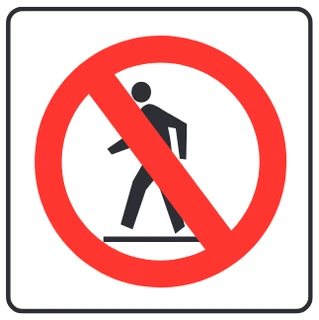 No pedestriansp. 30
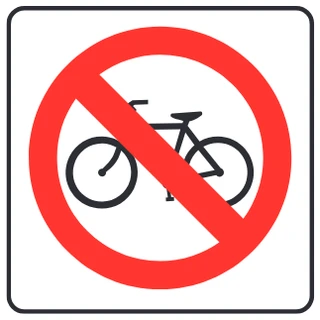 No bicyclesp. 30
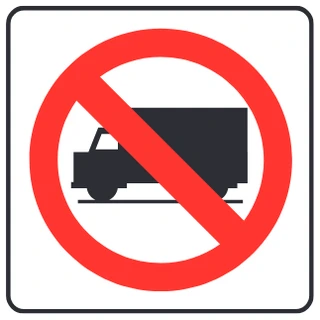 No trucksp. 30
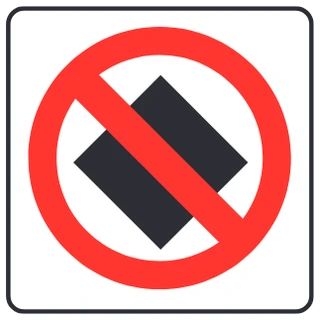 No dangerous goodsp. 30
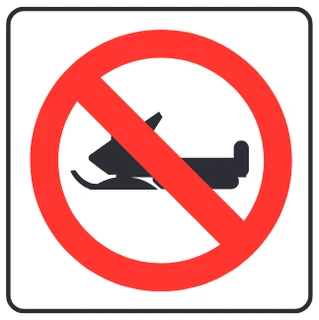 No motorized snow vehiclesp. 30
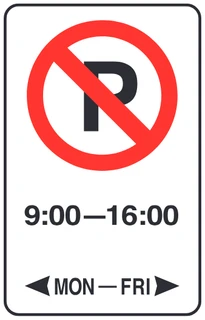
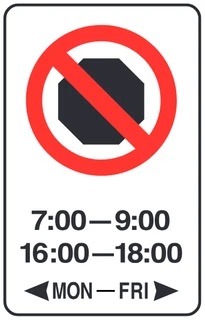
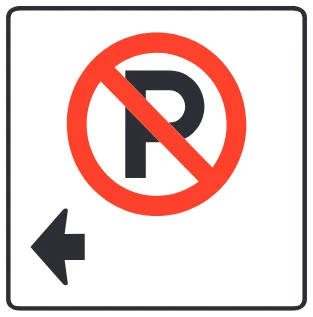
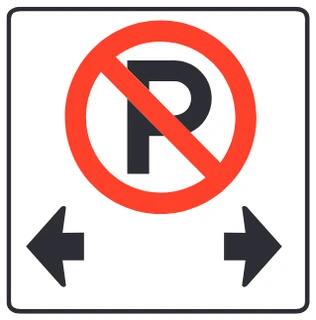
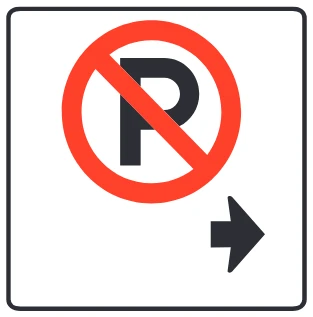
On parking and stopping signs, the arrow under the symbol shows where the rule applies.p. 30
School and playground signs
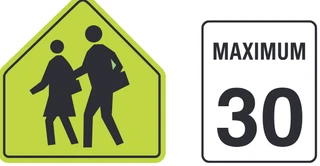 School zone: school sign with a maximum speedp. 30
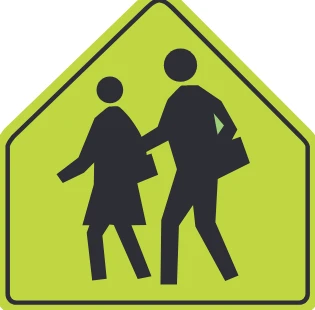 School area: no speed sign; children may be walking or crossingp. 31
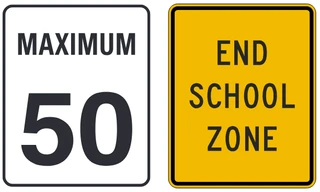 School zone ends: a higher speed or an end signp. 31
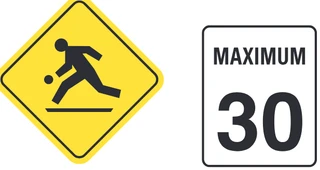 Playground zone: playground sign with a maximum speedp. 31
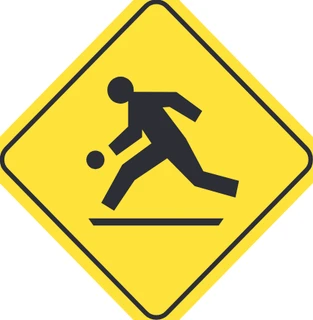 Playground area: no speed sign; children may be nearp. 32
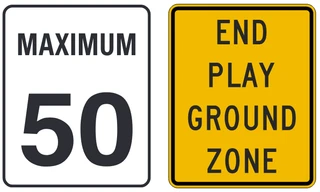 Playground zone ends: a higher speed or an end signp. 32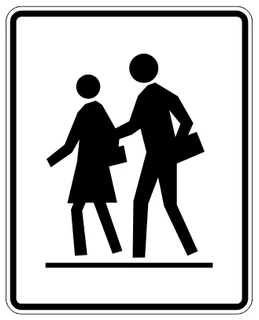
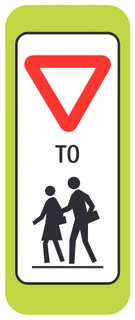 School crosswalk: watch for pedestriansp. 31
The hours, the 30 km/h limit and the no-passing rule for these zones are in Alberta road signs by shape and colour.p. 31
Warning: signals, stops and curves ahead
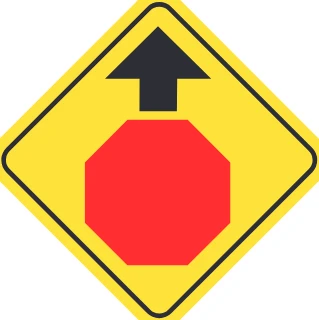 Stop aheadp. 33
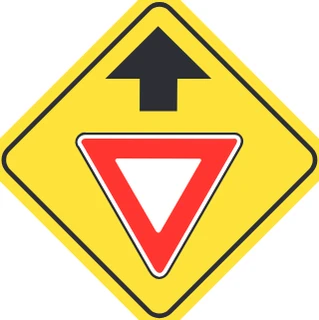 Yield aheadp. 33
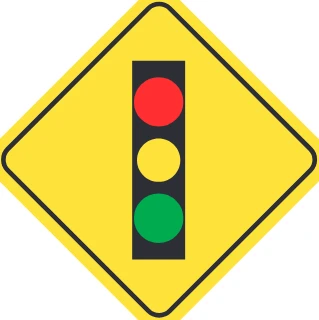 Traffic control signals aheadp. 33
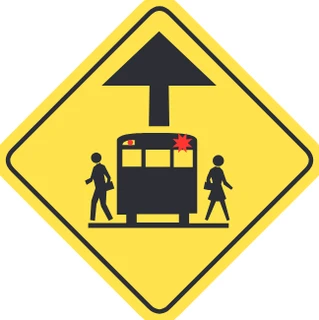 School bus stop aheadp. 33
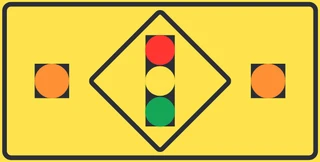 Yellow lights flashing: prepare to stop at the traffic lights aheadp. 33
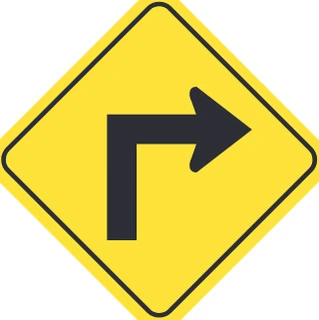 Sharp turn rightp. 33
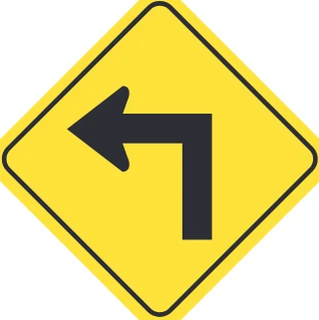 Sharp turn leftp. 33
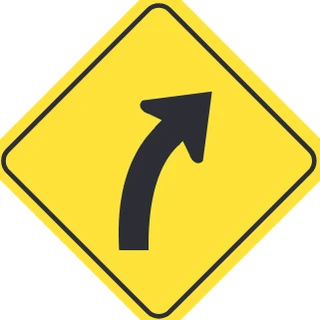 Curves rightp. 33
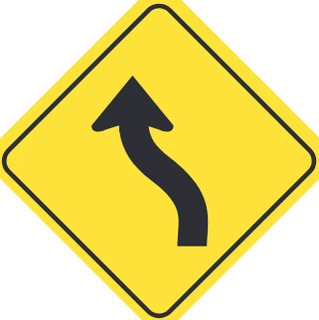 Road curves leftp. 33
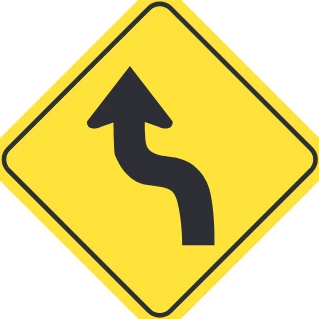 Road turns left, then rightp. 33
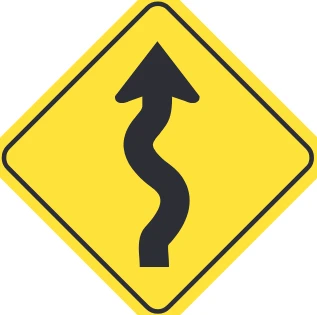 Winding roadp. 33
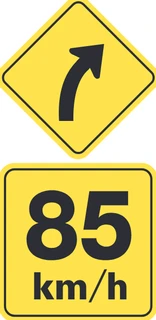 Recommended top speed through the curve in ideal conditionsp. 33
Warning: crossings and intersections ahead
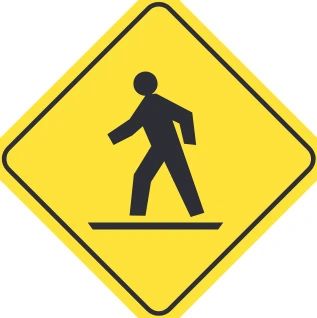 Pedestrian crossingp. 34
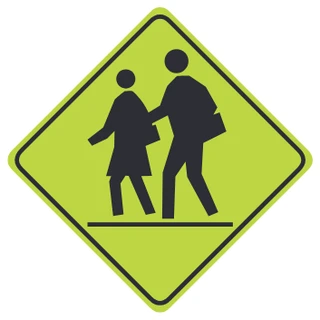 School crosswalkp. 34
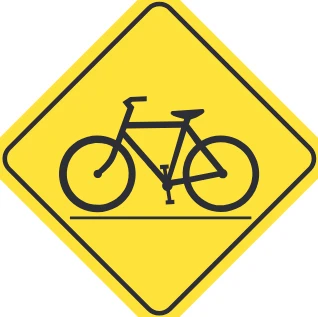 Bicycle crossingp. 34
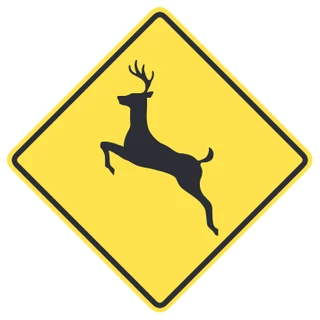 Animal crossingp. 34
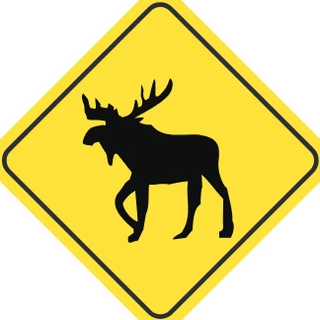 Moose crossingp. 34
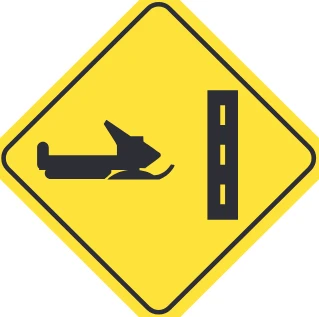 Motorized snow vehicles crossingp. 34
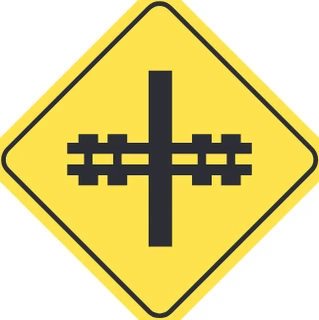 Railway crossingp. 34
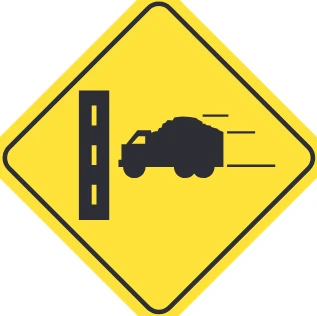 Trucks entering from rightp. 34
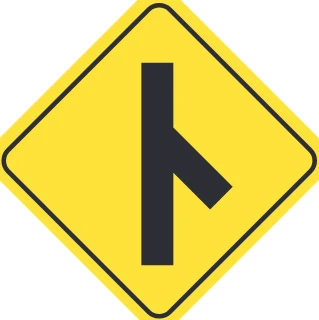 Hidden road rightp. 34
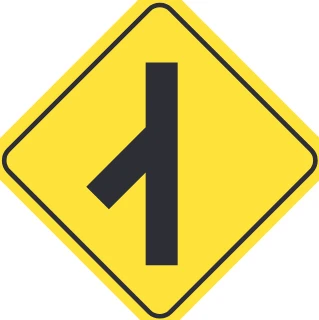 Hidden road leftp. 34
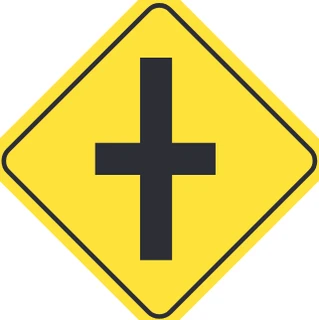 Hidden roadp. 34
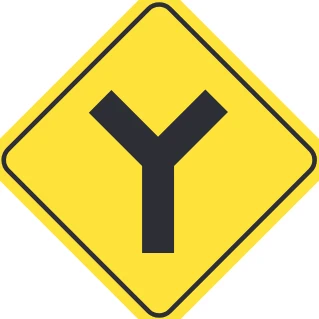 Y intersectionp. 34
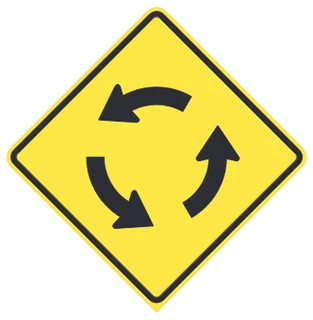 Roundaboutp. 34
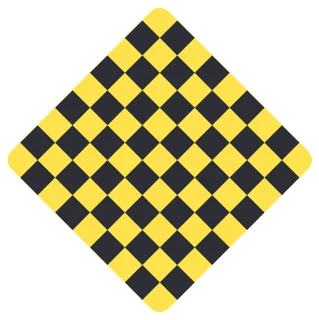 Dead endp. 34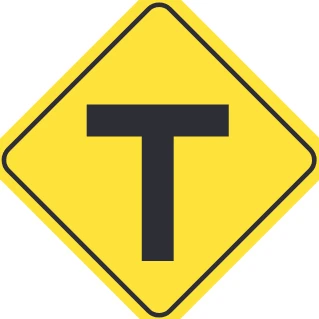
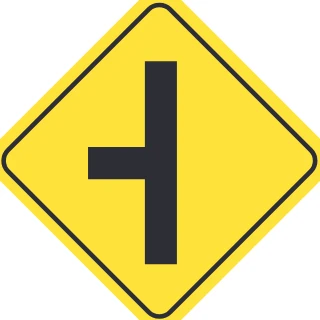 T intersectionp. 34
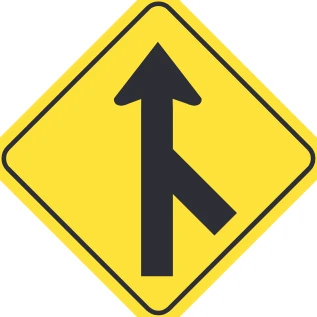 Merging traffic: roads ahead joinp. 34
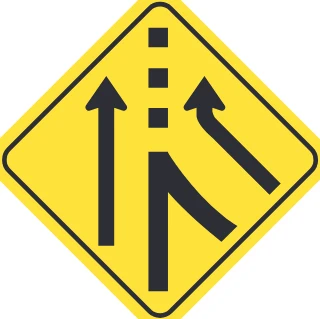 Free flow (added lane): roads ahead run side by side but don’t joinp. 34
Warning: narrow roads and road conditions
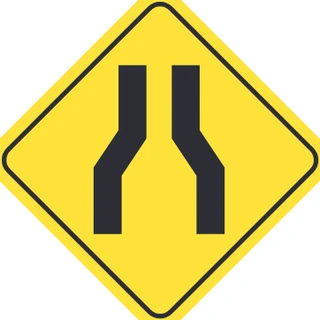 Road narrows both sidesp. 35
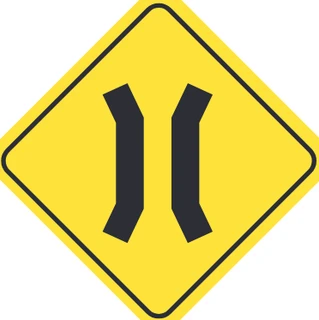 Narrow passagep. 35
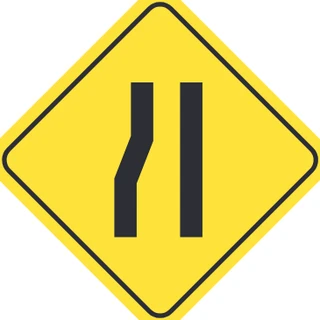 Left lane narrows to rightp. 35
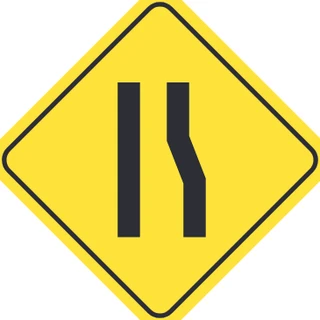 Right lane narrows to leftp. 35
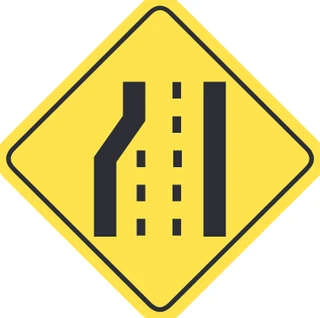 Left lane endsp. 35
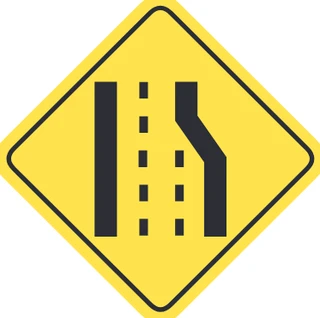 Right lane endsp. 35
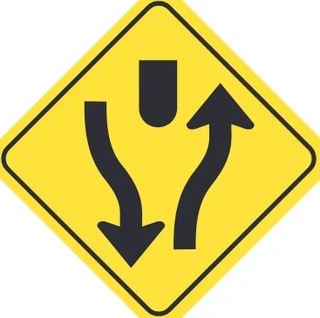 Divided highway beginsp. 35
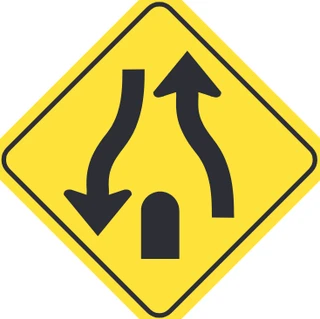 Divided highway endsp. 35
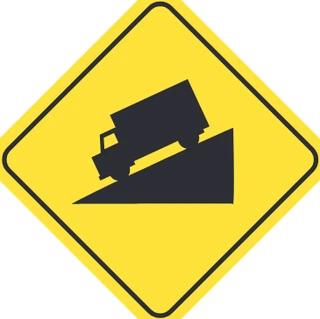 Hillp. 35
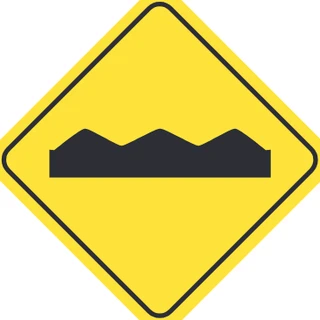 Bumpp. 35
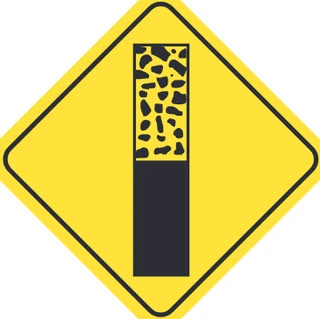 Pavement endsp. 35
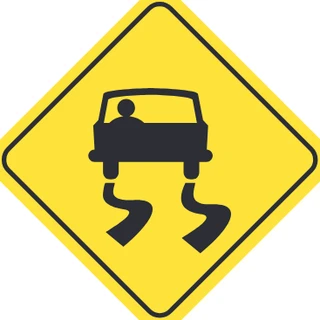 Slippery when wetp. 35
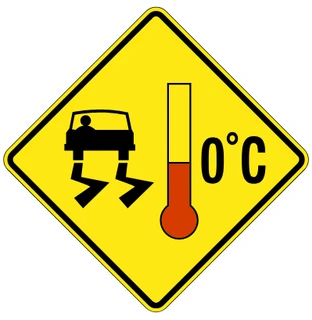 Bridge icesp. 35
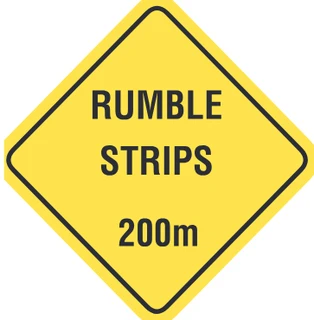 Rumble stripsp. 35
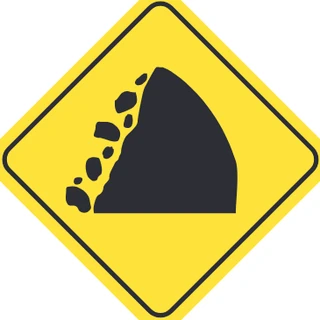 Falling rockp. 35
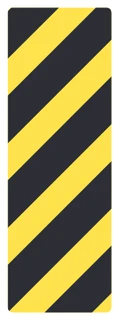 Hazard marker: object on rightp. 35
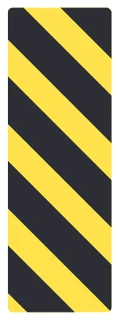 Hazard marker: object on leftp. 35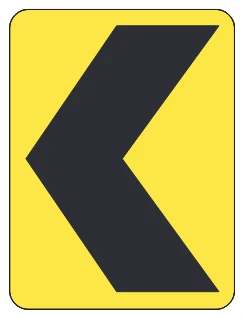
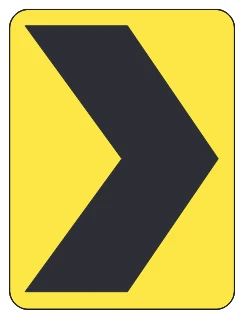 Chevrons: a sharp bend in the roadp. 35
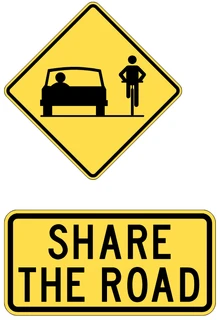
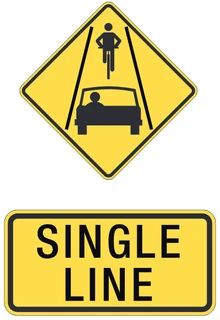
Sharing the road with cyclists
Route, destination and service signs
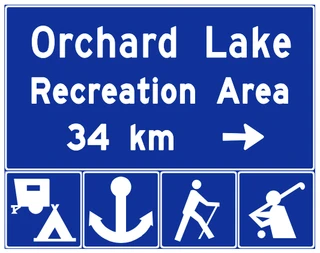
Route markers show the number, name or other designation of a road. Destination signs show the direction and distance to a place.p. 36
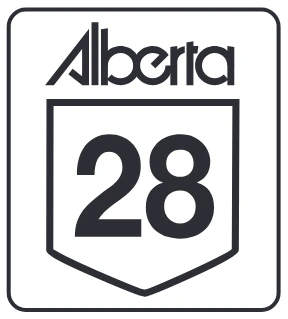
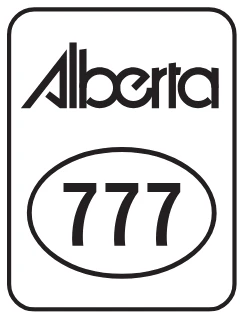 Alberta highway route markersp. 36
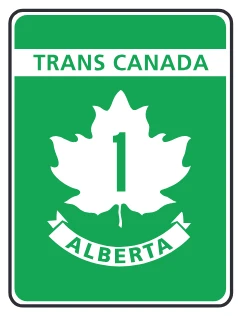 Trans-Canada highwayp. 36
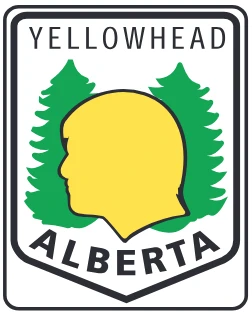 Yellowhead highwayp. 36
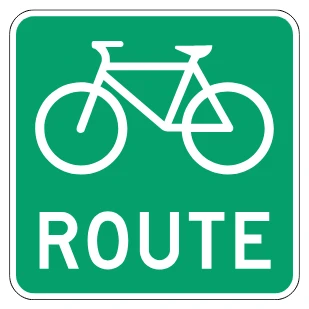 Bicycle route markerp. 36
 Direction to destinationsp. 36
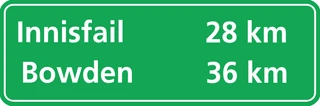 Distance to destinationsp. 36
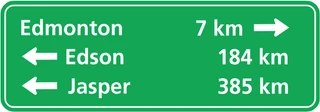 Direction and distancep. 36
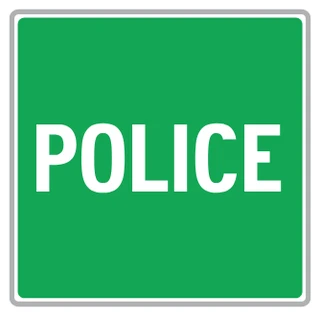
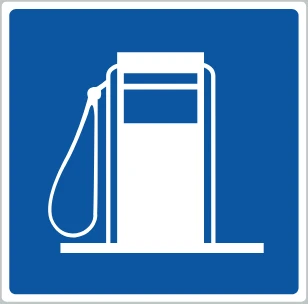
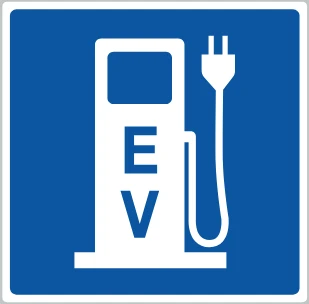
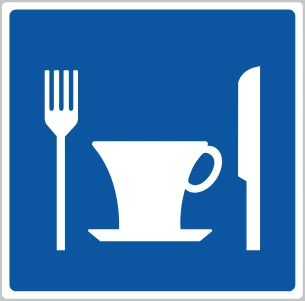
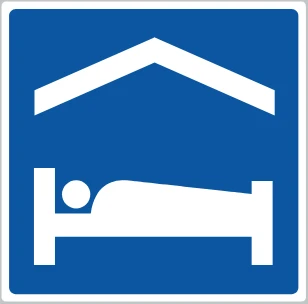
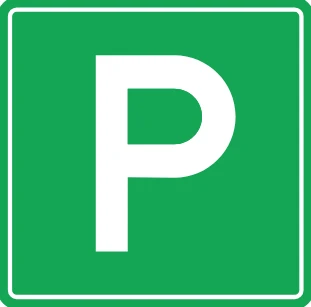
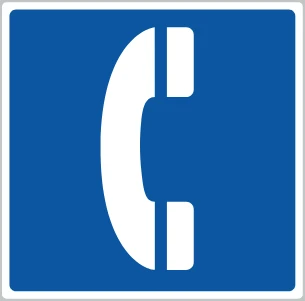
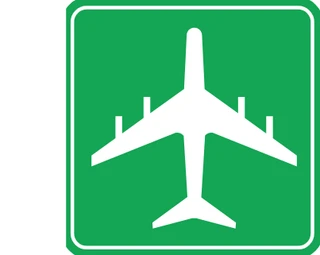
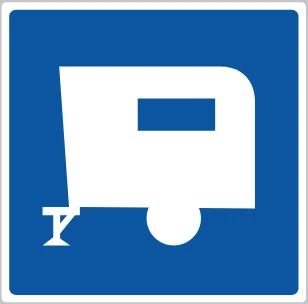
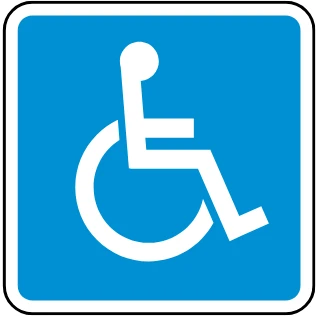
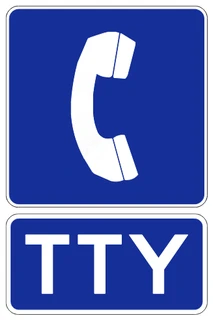
Service signs show that a service or recreation area is available and which way to go.p. 36
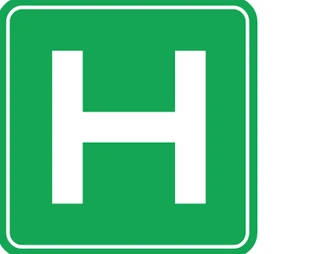

Construction signs
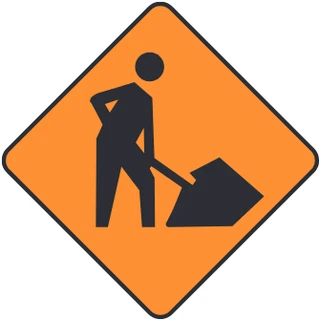
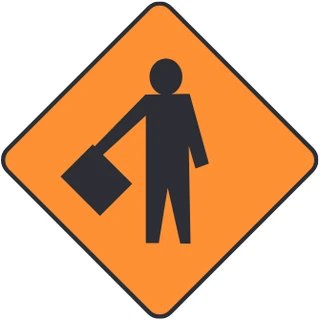
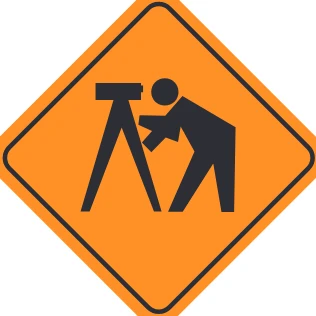
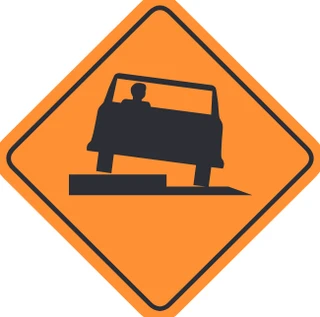
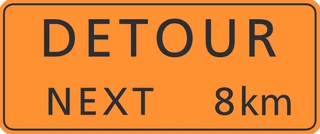
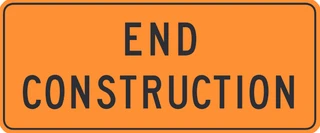
Orange signs warn of road work. Obey the construction zone speed limit at all times, and the flag person’s signal. More on construction zones in Alberta road signs by shape and colour.p. 37