Back to Learners ask

Page 39: Lane markings · Symbols

Our summary · page 39

  • White lines separate traffic going the same way. Solid white: don’t change lanes. Broken white: you may.
  • Arrows on the road show where each lane may go. A centre two-way left turn lane is shared by left-turning traffic from both directions.
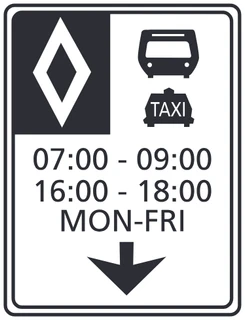
  • Diamond markings reserve a lane for certain vehicles. Signs may show the times.

Lane markings (continued)

White line markings

White lines mean that vehicles on each side of the white line are travelling in the same direction.

Solid white lines indicate that lane changing is not permitted.
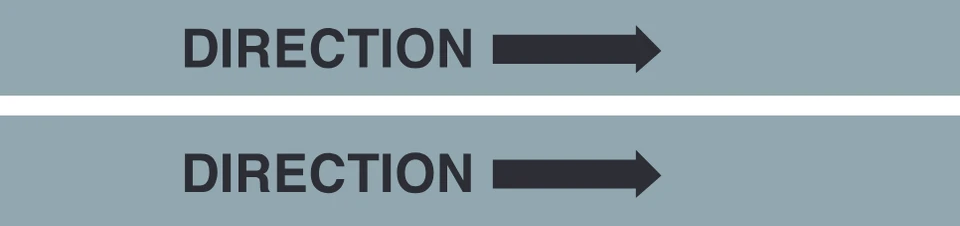
  • Pavement marking: solid white lines
    Pavement marking: solid white lines
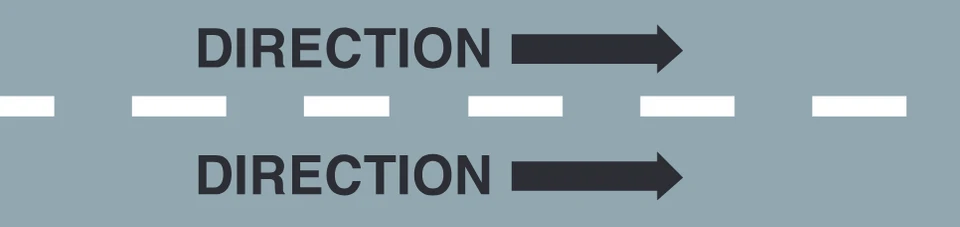
  • Pavement marking: broken white lines
    Pavement marking: broken white lines

Broken white lines indicate that lane changing is permitted.

Symbols

Symbols may be used on the pavement to supplement standard signs or by themselves to warn drivers, or to regulate or guide traffic. These markings include:

Arrows

Arrows indicate the vehicle movements permitted in a lane.

On a two-way left turn lane, the centre lane of the road is shared and reserved for left turning traffic travelling in either direction.
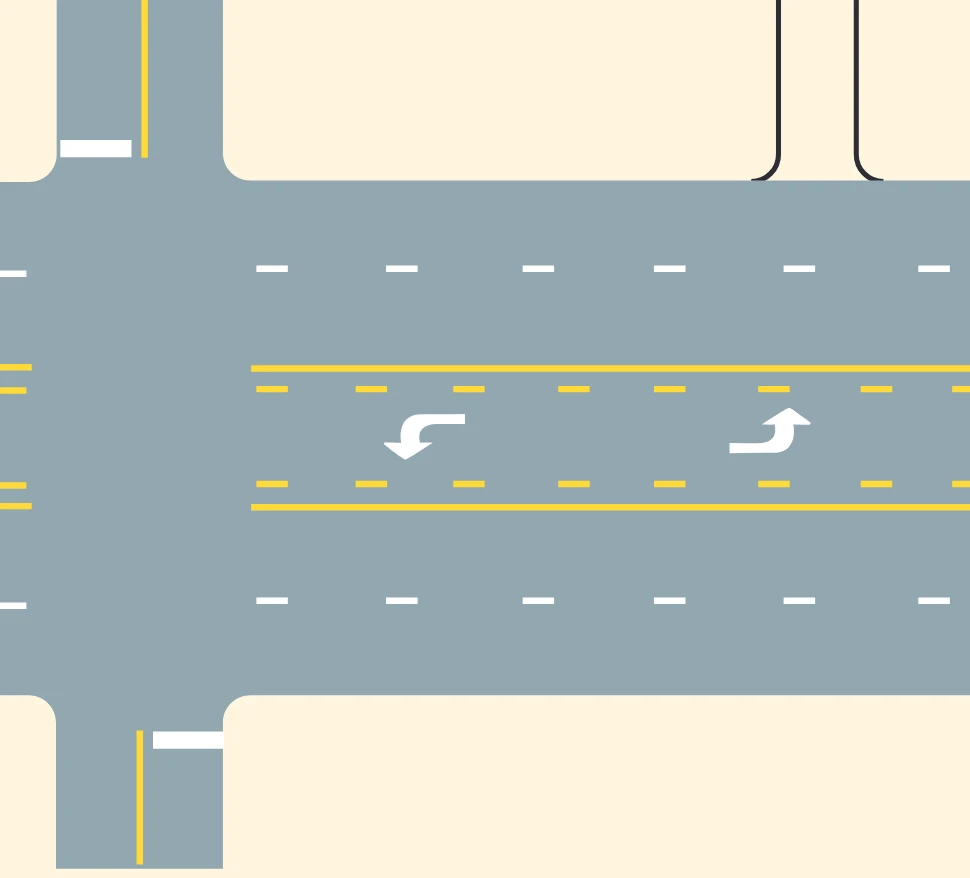
  • Diagram: Two-way left turn lane markings
    Two-way left turn lane markings

Diamond markings

Diamond markings indicate that a lane is reserved for specific vehicles. There may also be signs that will indicate time or vehicle restrictions.
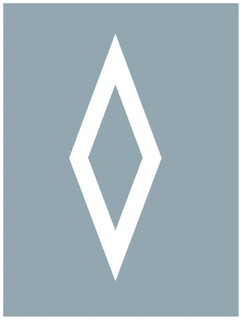
  • Diamond pavement marking (reserved lane)
    Diamond pavement marking (reserved lane)
  • Reserved lane sign (hours and days)
    Reserved lane sign (hours and days)

Swipe to turn the page

Our study guides for this page

Open the full official PDF (opens in a new tab)

Reproduced from the Driver's Guide: cars and light trucks (Spring 2026), Government of Alberta.

Contains information licensed under the Open Government Licence – Alberta. Class 7 Practice is an independent study tool, not affiliated with the Government of Alberta.

In this chapter · 23 topics