Study guide4 min read
After a collision or breakdown in Alberta
A collision or a breakdown can happen to any driver. Knowing the steps ahead of time helps you keep everyone safe and meet your legal duties.p. 84p. 80
Checked against the Driver’s Guide (Spring 2026) on .
The short version
- In a collision, help where you can, protect the scene, and call for emergency help if it’s needed.p. 84
- Exchange names, contact details and insurance with the other drivers, and don’t discuss who was at fault.p. 84
- Report it to police if anyone is hurt or killed, damage is over $5,000, or public property such as a traffic signal or parking meter is damaged.p. 84
- Broken down? Get off the road if you can, turn on your hazard lights, and never stop on a bridge or in a tunnel.p. 80
If you’re in a collision
- Give help where you can, protect the scene, and call emergency services if needed.p. 84
- Exchange names, contact information and insurance details with the other driver or drivers.p. 84
- Write down the names and contact information of all witnesses.p. 84
- Don’t discuss who was at fault.p. 84
- Note the time, location, weather and any other details that may matter.p. 84
- Tell your insurance company as soon as possible.p. 84
When you must report it to police
If you’re first on the scene
- Stop in a safe place away from the collision.p. 84
- Offer help if you can, and protect the scene with hazard lights and reflective triangles so other vehicles don’t get involved.p. 84
- When you call police or an ambulance, be as accurate as you can, especially about the injured people and the location.p. 84
If your vehicle breaks down
- Change lanes safely and park in a safe place if you can. Don’t stop on a bridge or in a tunnel.p. 80
- If the vehicle is somewhere dangerous, turn on your hazard lights (four-way flashers) and raise the hood.p. 80
- On a highway or other risky spot, place reflective triangles behind your vehicle, about 10 to 20 metres (33 to 66 feet) apart.p. 80
- Don’t try roadside repairs on a crowded or fast-moving highway.p. 80
- If it’s dangerous, everyone gets out and waits in a safe place behind the vehicle and away from it.p. 80
- If another driver stops to help, you could ask them to call for assistance.p. 80
Flat tire
A leaking tire makes the vehicle pull, and you may feel a vibration in the steering wheel. A flat front tire pulls hard to its side; a flat rear tire can make the vehicle weave.p. 81
If a tire goes flat while you’re driving:p. 81
- Don’t brake right away.p. 81
- Take your foot off the gas and let the engine slow the vehicle.p. 81
- Grip the wheel firmly and keep a straight course, looking and steering where you want to go.p. 81
- Once you’re in control and slower, brake gently and steadily.p. 81
- Move to the emergency stopping lane or the edge of the road, park safely, and turn on your hazard lights.p. 81
Brake, steering or headlight failure
- Brake warning light on: check the park brake is released, then pull to the side of the road as soon as it’s safe.p. 80
- Power brakes fail (for example if the engine stops while moving): push the pedal harder with steady pressure.p. 80
- Brakes fail completely: with the wheels straight, carefully use the park brake to slow down. Shifting to a lower gear may help you stop safely.p. 80
- After any brake problem, park somewhere safe and don’t drive until the brakes are checked and repaired.p. 81
- Power steering fails: you can still steer, with extra effort.p. 81
- Both headlights fail: turn on your hazard lights and switch the headlights off and on. If they stay off, slow down, move to the emergency stopping lane or edge of the road, and park safely.p. 81
Avoiding a collision with an animal
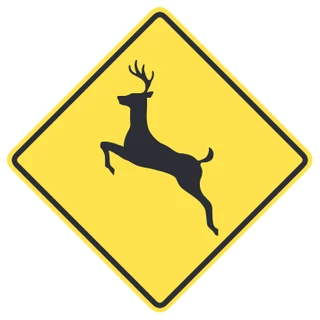
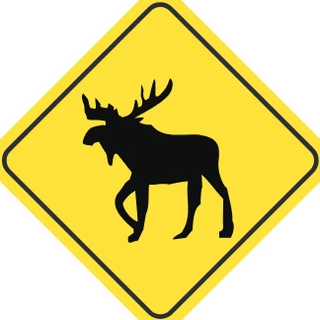
- Slow down, look well ahead, and take care where wildlife warning signs are posted.p. 84
- Scan the sides of the road.p. 84
- Be extra careful at dusk and dawn, when animals are most active.p. 84
- At night, sudden spots of light near the road may be your headlights reflecting in an animal’s eyes.p. 84
- Animals often move in groups: where there is one, there may be more.p. 84
- If an animal suddenly appears in front of you, brake hard and be ready to swerve, choosing an escape route away from oncoming traffic.p. 84