Emergency vehicles, tow trucks and snowplows in Alberta
Flashing lights from an emergency vehicle, a tow truck, a snowplow or a highway maintenance vehicle mean there is a situation ahead that needs your attention and caution. Here is what the law expects of you.p. 85
Checked against the Driver’s Guide (Spring 2026) on .
The short version
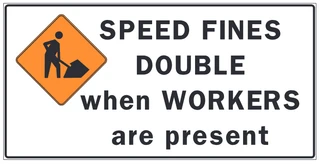
- Passing an emergency vehicle or tow truck stopped with its lights flashing: slow to 60 km/h, or the posted speed if that is lower, in the lane next to it. Speeding fines there are doubled.p. 85
- An ambulance, fire or police vehicle coming with its siren on: move over to the edge of the road and stop until it has passed.p. 85
- Police lights behind you: stop safely at the edge of the road, stay in your vehicle and have your licence, registration and insurance ready.p. 86
- Flashing amber and red means a snowplow ahead. Stay well back, and never pass when you can’t see along its side or can’t pass safely.p. 102
Slow to 60 km/h past flashing lights
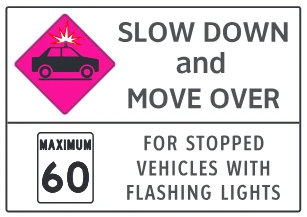
- The rule applies in the lane or lanes right next to the stopped vehicles, and the fine for speeding there is doubled.p. 85
- In a lane further away, still slow down, leave lots of space, and watch for people moving around the scene.p. 85
- Follow the directions of emergency personnel directing traffic, and expect the vehicle ahead to stop or slow suddenly to look at the scene.p. 85
Why it matters: one of the most serious dangers at these scenes is responders or their equipment being hit by passing vehicles.p. 85
When you hear a siren
When an ambulance, fire or police vehicle is coming from any direction with its siren on, you must yield the right-of-way:p. 85
If police stop you
When a police vehicle is behind you with its emergency lights flashing, move to a safe place so it can pass, or stop safely so it can stop behind you:p. 86
Once you’ve stopped:p. 86
- Stay calm. Put an automatic in park or a manual in neutral, and set the park brake.p. 86
- Stay in your vehicle, and have your driver’s licence, vehicle registration and insurance ready.p. 86
- Wait for the officer’s instructions, be cooperative, and hand over the documents asked for.p. 86
- Don’t move your vehicle until the officer tells you to.p. 86
Snowplows
A snowplow can throw up a snow cloud that makes it hard to see, and hard for oncoming drivers to see past. Plows have flashing amber and red lights so you can spot them: flashing amber and red means snowplow ahead.p. 102
- Keep a safe following distance. Most maintenance vehicles show the minimum safe distance on a sign at the back. It gives you time to react, and keeps rocks from the sanding unit off your vehicle.p. 102
- Passing is strictly prohibited when you can’t see along the side of the plow, when passing would get in the way of its work, or when you can’t pass safely.p. 102
- Plow operators pull over where it’s safe every five to eight kilometres to let traffic by. Even where passing is allowed, it’s safer to stay well back until then.p. 102
- Before passing a plow on a two-lane highway (one lane each way), make sure you can see far enough ahead and that the road markings or signs allow passing.p. 102
- When a plow is coming the other way, look carefully ahead in your lane: an oncoming vehicle may be passing it in your lane.p. 102